
In the U.S. we have a presumption of privacy.
We assume conversations we have, messages we write, and purchases we make are just between us and the other party, but the reality is far murkier.
We’ve all had the experience where we talk about an item with a friend and then we start getting targeted ads on our phones to purchase that item, but then we learn how to disable data tracking and think we’ve solved the problem.
The government talks a big game about limiting companies’ capabilities to track our data, but in actuality the laws are extremely outdated. Data privacy discussions often focus on consumer protection, yet the government does not hold itself to the same standards.This is an issue not only because of antiquated government electronic data storage systems, but also because of what the government is allowed to access and share.
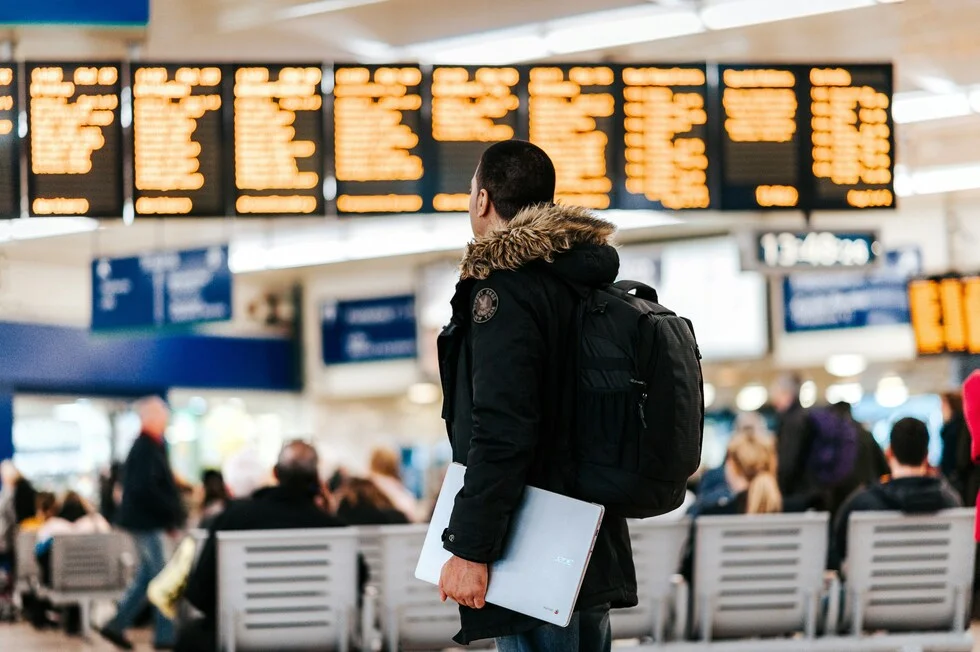
Under the 4th Amendment of the U.S. Constitution there is a protection against “unreasonable searches and seizures”, but in reality this protection is only for U.S. citizens, and under the Foreign Intelligence Surveillance Act is lessened significantly even when a U.S. citizen communicates with a non-citizen abroad. The protections of non-citizens, even ones living within the borders of the United States, are even more reduced, and this has been especially apparent recently with reports that the Transportation Security Administration (TSA) is sharing airline passenger information with ICE, aiding in the Department of Homeland Security’s deportation push.
What information does TSA collect?
When you fly, TSA and airlines collect personal information such as:
- Your full name
- Date of birth
- Gender
- Flight details (origin, destination, dates)
- Identification information used at airport security
This data is required to screen passengers for security purposes. However, TSA does not operate in isolation. It is part of the Department of Homeland Security (DHS) — the same department that oversees ICE.
Under federal law, DHS agencies are allowed to share information internally. This means TSA can legally share passenger data with ICE when it claims the information is relevant to law enforcement or national security.
ICE has reportedly used airline passenger data to:
- Track a person’s location
- Confirm travel patterns
- Identify individuals with outstanding removal orders
- Locate people for arrest or detention
In some cases this information has been used to detain individuals at airports.
As we discussed earlier, U.S. privacy laws provide far fewer protections for non-citizens, especially in immigration enforcement. Immigration courts allow evidence that would never be permitted in criminal court, including data gathered without a warrant.
Many travelers are never told that their information may be shared with ICE, how long their data is stored, or how it may be used later.
This lack of notice and oversight has alarmed civil rights advocates.
With everything going on, non-citizens should be especially wise and cautious about travel right now. While domestic flights are not immigration checkpoints, travel can create a record that immigration authorities may use for enforcement purposes. Before flying—especially if you have a prior immigration issue, a pending case, or an old removal order—it’s smart to understand the risks and consider speaking with an immigration attorney.