
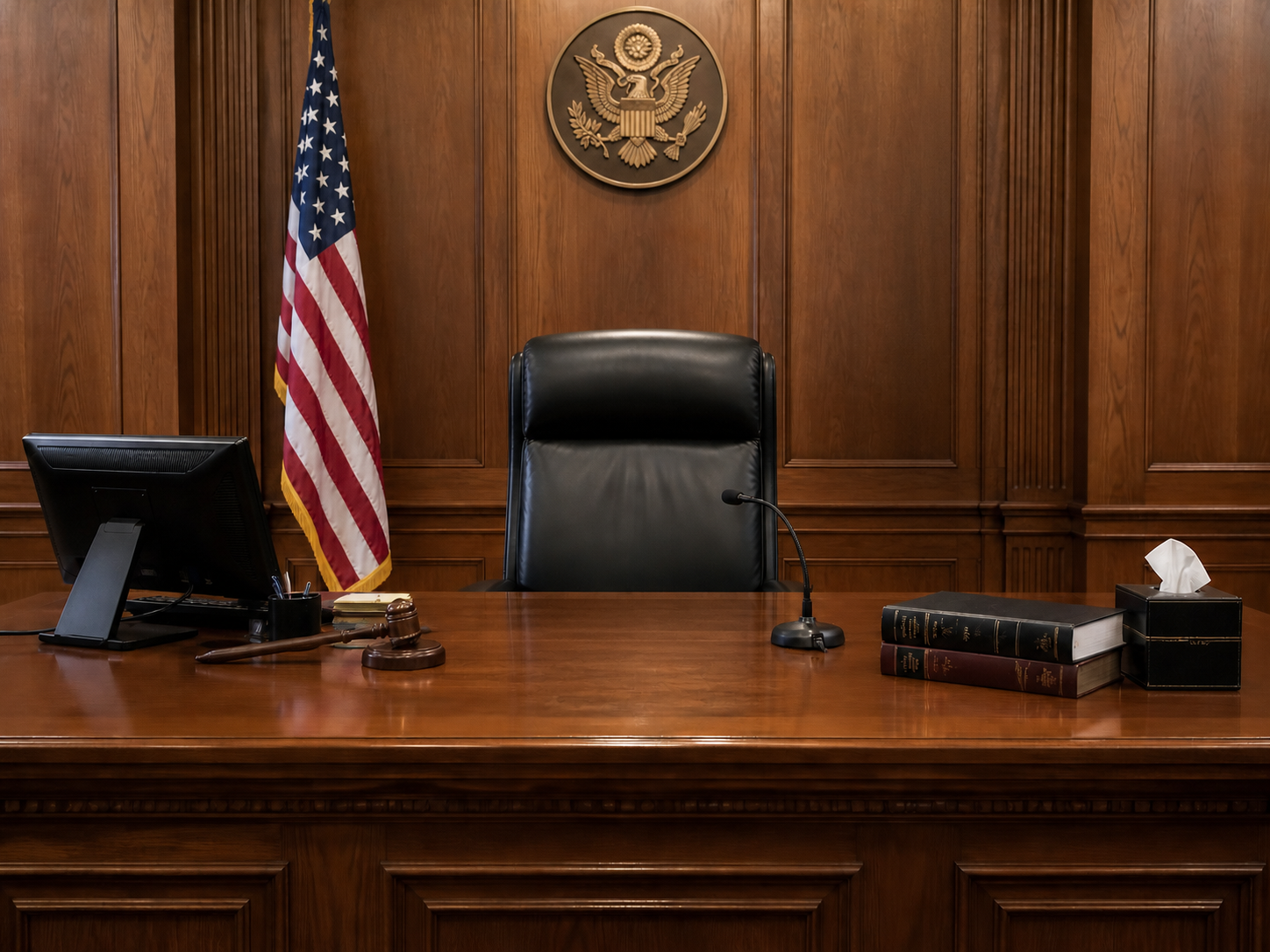
In the United States we have three branches of equal government – executive (president), legislative (Congress), and judicial (the courts).
They were designed by the founding fathers of the nation to be equal checks and balances on one another so that none of the three branches would be able to control the government unilaterally. But lately the balance of power in the United States government branches can feel off—with one sometimes seeming to have more power than the others.
Most people have never heard of the Board of Immigration Appeals (BIA). But this agency quietly plays a major role in deciding immigration cases across the country. If you or a loved one is in immigration court, what happens at the BIA can directly affect your future, and a new investigative article is showing just how much influence the members of the BIA are having on immigration policy.
What Is the BIA?
The Board of Immigration Appeals (BIA) is the highest administrative body for interpreting and applying immigration laws. It reviews decisions made by immigration judges and can either agree with them or overturn them. It operates under the U.S. Department of Justice, not the regular court system.
This last year the Trump administration has worked to make the BIA a system for its immigration ideals – systematically relieving Biden appointments on the Board and placing Trump appointees on it instead.
“Court-packing” means changing who sits on a court in order to influence how cases are decided. Recent reporting suggests that the BIA has been reshaped in ways that may affect its fairness.
This includes:
- Reducing the number of judges on the board
- Appointing judges with similar views on immigration enforcement
These changes have shifted how the BIA decides cases, as it went from siding with the immigrant in about 36% of cases in 2024, to just 3% of cases in 2025. While a shocking number, it isn’t surprising when looking at the makeup of the BIA – it went from having 26 judges appointed by a variety of presidents, to being cut down to 15 judges, where all but two were appointed by President Trump.
Why This Matters
The BIA does not just decide individual cases—it also creates rules that immigration judges across the country must follow. When the board changes, those rules can change too.
Here is how that may impact immigrants:
- Harder to win appeals: Some decisions may make it more difficult to challenge a denial.
- Fewer chances for relief: Legal options like asylum or cancellation of removal may be interpreted more narrowly.
- Faster decisions: New policies may allow appeals to be dismissed more quickly.
For many families, this means fewer opportunities to stay in the United States.
Unlike federal judges, BIA members are appointed by the Attorney General and do not have lifetime positions. This means the board can change depending on who is in power. This often creates a system where decisions may reflect policy goals rather than independent legal judgment.
The BIA may not be well known, but it has a powerful influence over immigration law in the United States—it has real consequences for real people. As concerns grow about “court-packing” and shifting decision-making at the BIA, the stakes for immigrants and their families continue to rise.
It is becoming even more important to understand your rights and act early in your immigration case. Immigration law is already complex, and in a system that is changing, having informed, experienced guidance can make all the difference.
If you would like an immigration consultation or assistance filing an immigration petition or appearing in immigration court, you can reach us at (757) 422-8472, or send us a message on our website. You can also schedule an appointment with one of our attorneys by clicking on this link.