
Nearly 25 million people in the United States are naturalized citizens.
This means that they were born in a different country but were able to go through the process to become U.S. citizens.
Typically once someone becomes a U.S. citizen they can breathe a sigh of relief. No longer do they have to renew permanent residency cards or limit their travel, and they can finally do things like vote and petition for their parents. But most people don’t think about the idea that their U.S. citizenship could one day be taken away.
There is a concept, called denaturalization, whereby the U.S. government can attempt to revoke the U.S. citizenship of a naturalized immigrant.
While uncommon, denaturalization is something that has been around for a very long time. From 1990 – 2017 there were 305 cases filed in federal courts for denaturalization, but during the first Trump administration USCIS (U.S. Citizenship & Immigration Services) identified about 2,500 cases to be examined for denaturalization, and the Department of Justice filed 168 cases for denaturalization. The Trump Administration has announced it is making denaturalization a priority.
Who Can Lose Their Citizenship?
The government doesn’t revoke citizenship lightly. Denaturalization typically happens if someone:
Lied or concealed facts during the naturalization process
Example: hiding a criminal record, using a false identity, or failing to disclose prior deportation orders.
Joined or supported certain prohibited groups
For instance, membership in a terrorist organization or a group advocating the overthrow of the U.S. government within five years of naturalization.
Committed war crimes or human rights abuses
If someone concealed involvement in persecution, genocide, or crimes against humanity.
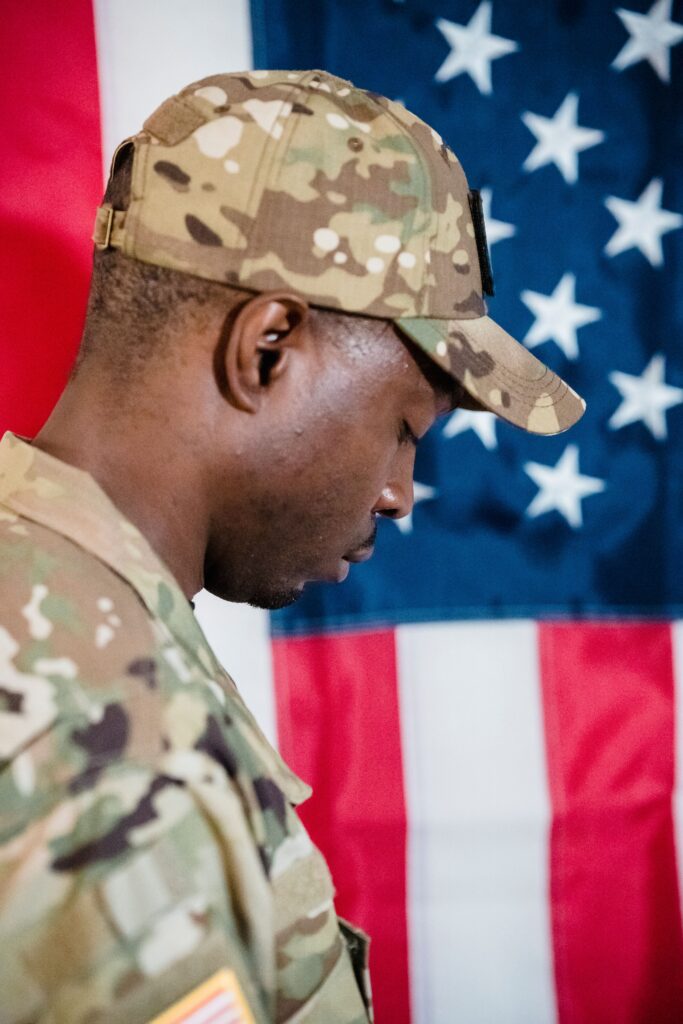
Can Military Service Members and Veterans be Denaturalized?
Yes. While rare, if the U.S. finds out that you lied or have committed certain crimes, you can lose your naturalized citizenship even if you served in the U.S. military.
A military service member or veteran who received U.S citizenship as a result of their military service could be denaturalized if he or she:
-
Received U.S. citizenship on or after November 24, 2003; and
-
Served honorably in the military for a period totaling less than five years and separated from the U.S. Armed Forces under other than honorable conditions.
For most naturalized citizens, denaturalization is nothing to fear. 818,500 people became naturalized U.S. citizens last year, and recent numbers show only 232 denaturalization cases in the last eight years. But the process does highlight the importance of being truthful and accurate during every step of the immigration process. If the government uncovers fraud years later, it can have life-altering consequences.
If you need assistance filing for an immigration petition, you can reach us at (757) 422-8472, or send us a message on our website. You can also schedule an appointment with one of our attorneys by clicking on this link.