
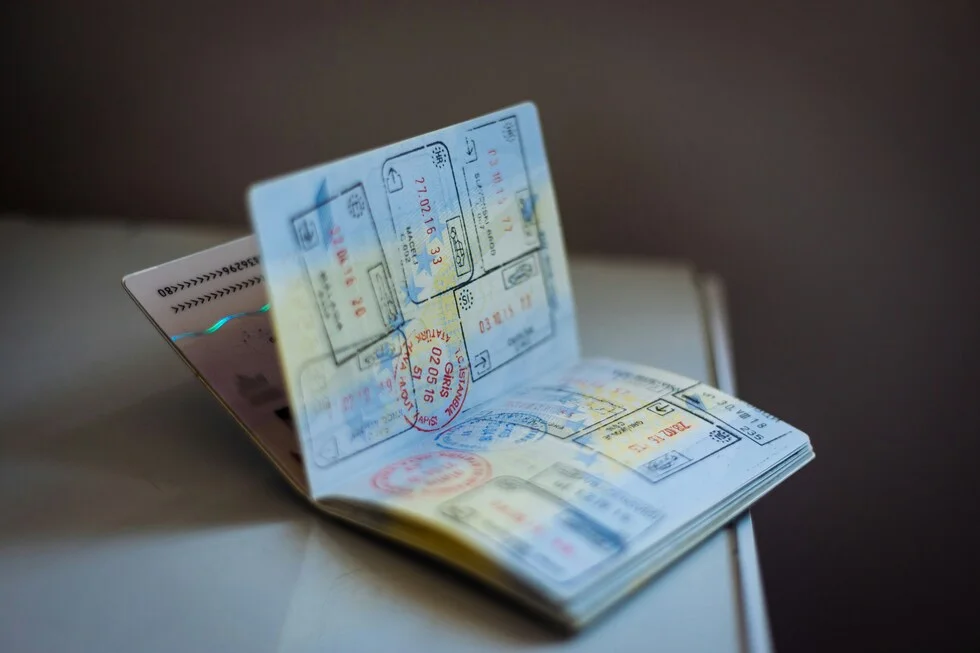
What if visiting the United States required more than just a visa — but a financial guarantee that you’d leave?
The United States government is working hard to ensure that visitors who come to the U.S. return to their countries of origin, and the country is doing so by requiring something called a visa bond.
What is a Visa Bond?
A visa bond is money that is paid to the U.S. government as a financial guarantee that a foreign national will follow the rules of their visa while in the United States.
What is the Purpose of a Visa Bond?
A visa bond acts like a security deposit. It guarantees that the visitor will:
-
Enter the U.S. legally,
-
Follow the terms of their visa, and
-
Leave the U.S. before their authorized stay expires
If the person follows all the rules, the bond money is returned.
If they violate the visa terms (for example, overstaying), the government can keep the money.
The U.S. has announced that about 38 countries will be subject to this new visa bond policy, which affects nationals applying for B1/B2 (visitor) visas. A B1/B2 visa is a temporary, non-immigrant U.S. visa for foreign nationals traveling for business (B-1) or pleasure/medical treatment (B-2). In 2024, the latest year the State Department has published statistics for, almost two million B1/B2 visas were issued.
The U.S. stated that the countries subject to visa bonds have high visa overstay rates, and often have deficient screening and vetting information on its citizens, but the named countries also have something else in common – most of them are low income nations where it will be very difficult for the average citizen to post the bond amount required.
How does the New Process Work?
If you are applying for a visitor visa you will have a visa interview at a U.S. embassy or consulate abroad. Nationals of the countries on the visa bond list, who are found otherwise eligible for a B1/B2 visa, must post a bond for $5,000, $10,000, or $15,000. The amount is determined at the time of the visa interview.
An applicant should pay a bond only after a consular officer directs them to do so. Applicants will receive a direct link to pay through Pay.gov and must not use any third-party website for posting the bond. If you use a third-party system or pay fees without a consular officer’s direction, the fees will not be returned.
What Countries are Affected?
The countries included on the current visa bond list span multiple regions of the world, including Africa, the Caribbean, Central Asia, the Pacific Islands, and South America. They are:
Algeria, Angola, Antigua and Barbuda, Bangladesh, Benin, Bhutan, Botswana, Burundi, Cabo Verde, Central African Republic, Cote d’Ivoire, Cuba, Djibouti, Dominica, Fiji, Gabon, The Gambia, Guinea, Guinea-Bissau, Kyrgyz Republic, Malawi, Mauritania, Namibia, Nepal, Nigeria, Sao Tome and Principe, Senegal, Tajikistan, Tanzania, Togo, Tonga, Turkmenistan, Tuvalu, Uganda, Vanuatu, Venezuela, Zambia, and Zimbabwe.
Another change from this policy is the new requirement that all visitors with visa bonds must enter the United States through specific airports. Not doing this might lead to a denied entry or a departure that is not properly recorded. The list of these airports is listed below, but the U.S. stated that the list may change so it is important to check with the State Department website before booking your flight:
-
Boston Logan International Airport (BOS)
-
John F. Kennedy International Airport (JFK)
-
Washington Dulles International Airport (IAD)
-
Newark Liberty International Airport (EWR)
-
Hartsfield-Jackson Atlanta International Airport (ATL)
-
Chicago O’Hare International Airport (ORD)
-
Los Angeles International Airport (LAX)
-
Toronto Pearson International Airport (YYZ)
-
Montréal-Pierre Elliott Trudeau International Airport (YUL)
If you are trying to get a visa to the United States and would like immigration advice, or need help filing an immigration petition, you can reach us at (757) 422-8472, or send us a message on our website. You can also schedule an appointment with one of our attorneys by clicking on this link.