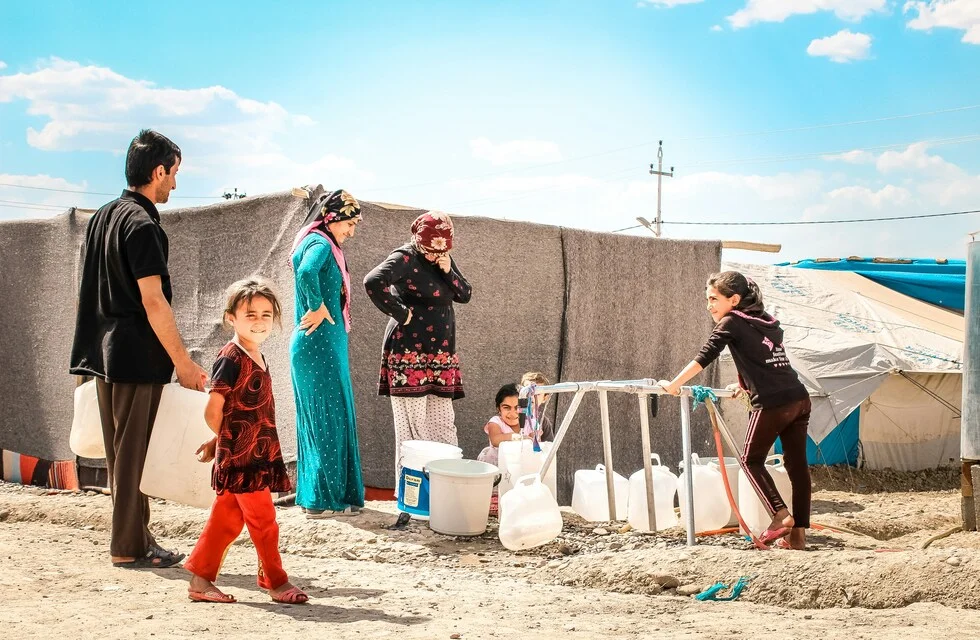
There are currently 2.4 million refugees around the world hoping to be resettled in a safer country – escaping war, terrorism, and poverty.
While 149 countries agreed to provide refugees with protection under the 1951 Refugee Convention, today only 24% of refugees are hosted by the world’s wealthiest countries, and recently the United States has lessened its part of that number even more.
The Trump Administration announced that in Fiscal Year 2026, only 7,500 refugees would be allowed into the United States. This is a historic low, and is itself half of the lowest refugee admissions number set in Trump’s first presidential administration. By comparison, in Fiscal Year 2025 the refugee admissions number was set at 125,000.
Who actually qualifies as a refugee, you may ask?
Under United States law, a refugee is someone who:
- Is located outside of the United States
- Is of special humanitarian concern to the United States
- Demonstrates that they were persecuted or fear persecution due to race, religion, nationality, political opinion, or membership in a particular social group
- Is not firmly resettled in another country
- Is admissible to the United States
While traditionally the priority for refugee admissions and resettlement has been focused on refugees fleeing war or persecution globally, the Trump administration has shifted how slots are allocated and prioritized extremely limited categories, further shrinking overall numbers (ex: the South African farmers who were in the news last year).
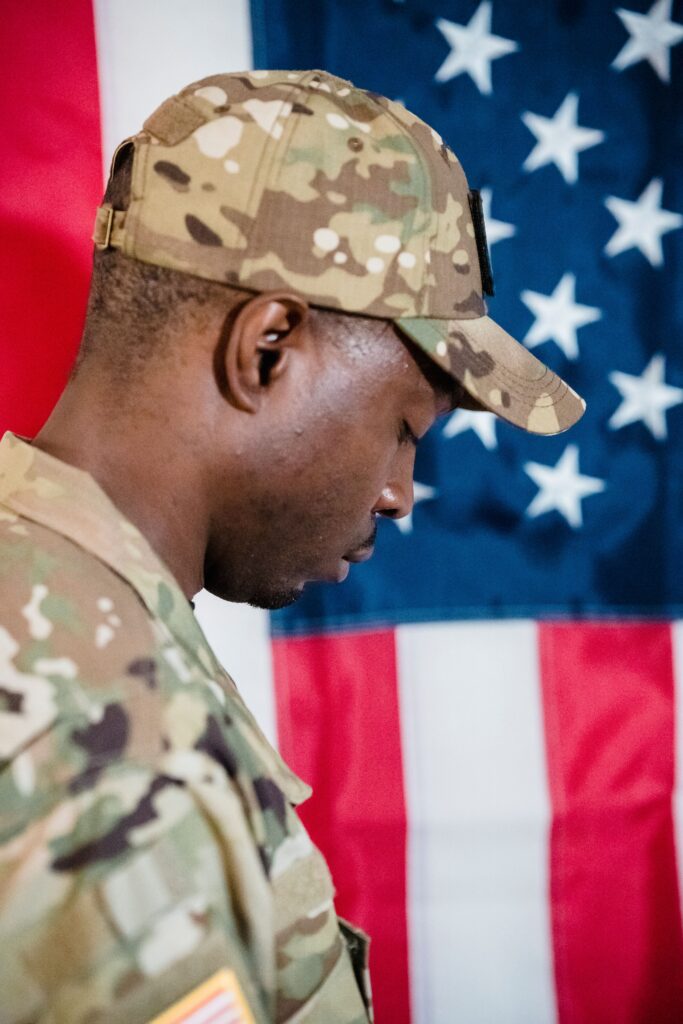
This means that thousands of refugees who had been vetted and cleared to enter the United States were stopped in their tracks, many of whom had been waiting years to be reunited with their family members. Thousands of those waiting are Afghans who assisted our U.S. Military interests for decades in Afghanistan. Immediately upon taking office in January 2025, Trump paused the refugee admissions program, but those working with refugees had advocated for months for the program to be re-started, and were extremely disappointed with the announcement that only 7,500 refugees will be allowed in 2026.
If you only count the top three countries that refugees are from – Venezuela, Syria, and Afghanistan – there are 18 million people in need of refuge. These countries, like many others experiencing forced displacement, war, and crisis, are places where people face death and/or starvation if forced to return.
As U.S. refugee policy continues to fluctuate, it is critical to remember that refugees are individuals legally recognized as needing protection—not criminals, not opportunists, and not a threat by default. A lot of people in the United States are descendants of refugees, across generations and centuries.
Decisions made by government leaders have real effects on families who are just trying to stay alive and rebuild their lives. For people affected by these policies, knowing their rights and where they can turn for help is more important than ever. A fair and humane refugee system is not just possible—it is part of the values and laws the U.S. has promised to follow.