
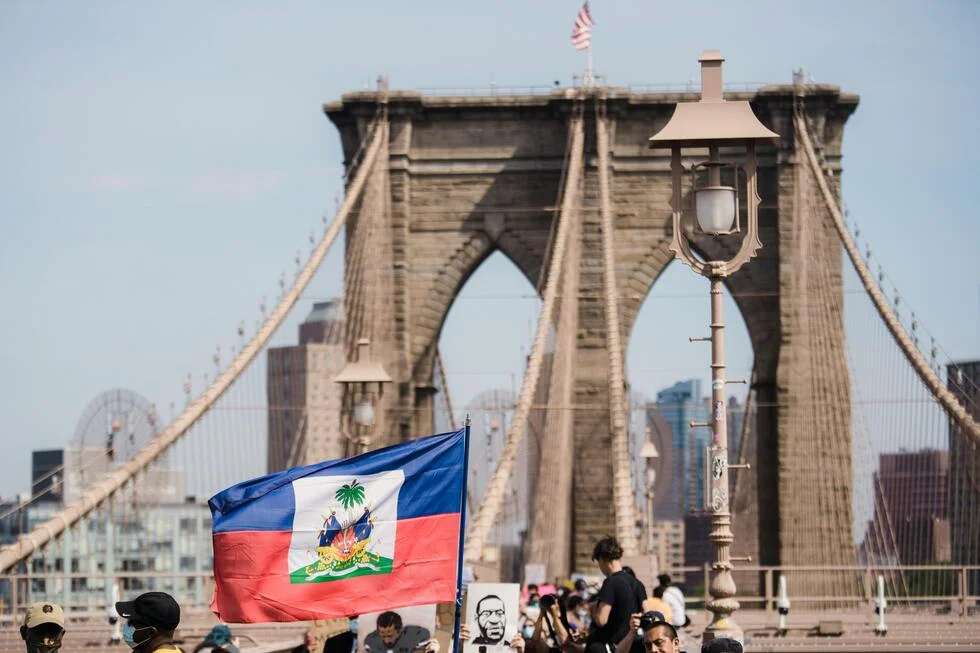
For many Haitians living in the United States, Temporary Protected Status has not just been a legal status — it has been the foundation for stability, lawful employment, and family unity in the face of ongoing turmoil in their home country.
Temporary Protected Status (TPS) plays a crucial role in the U.S. immigration system by offering humanitarian protection to nationals of certain countries facing extreme conditions, such as natural disasters, armed conflict, or other extraordinary circumstances. It is granted by the U.S. Department of Homeland Security (DHS) and allows eligible individuals to reside and work in the United States temporarily, without the fear of deportation. Currently there are 15 countries the U.S. has designated for TPS.
Nationals of Haiti were first designated for TPS following the devastating 2010 earthquake that took place in their home country. Since then, the designation has been extended multiple times as conditions in Haiti — including political instability, gang violence, and lack of basic services — have continued to affect the country.
But DHS has been pushing to end TPS for Haitians, and announced that their protections would end on February 3, 2026. However, the day before it was set to expire, a federal judge in Washington, D.C. ruled that terminating Haiti’s designation of TPS would cause irreparable harm, and blocked the government’s attempt to end TPS and force Haitians with it to self-deport or be detained.
As a result, Haitian TPS remains in place for now. Haitian nationals currently holding TPS continue to be protected from deportation and may maintain their employment authorization while the legal case proceeds. Importantly, the court’s order does not expand TPS nor allow new individuals to apply — it keeps the existing protections intact for TPS holders while the ongoing litigation proceeds.
The Federal order staying the case noted that hundreds of thousands of U.S. citizens live in mixed-status households with Haitian TPS recipients. If your family is among these numbers we encourage you to meet with an immigration attorney. There may be legal immigration pathways available that you are not aware of.
We would love to see how our attorneys can help you.
If you would like an immigration consultation or assistance filing an immigration petition, you can reach us at (757) 422-8472, or send us a message on our website. You can also schedule an appointment with one of our attorneys by clicking on this link.